2. ART DIRECTOR: RESOURCES Responsibilities: art, music | 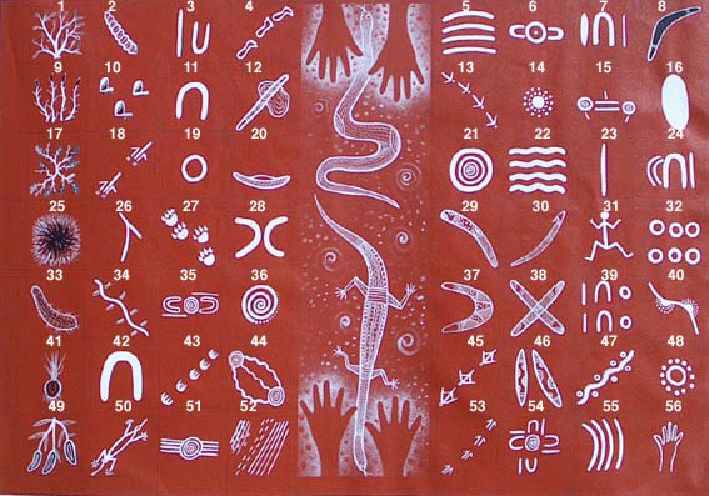 |
Take the time to view and explore the resources below suggested for your area of expertise. Don’t forget to put on your headphones as you may be listening to audio files or watching short videos. As you use each link, it might be helpful to reflect in your learning journal about key ideas or words you hear or see. Remember, you are going to use the information you gather to collaborate as a team to create a garden design. Refer back to the questions and issues listed under your area to help guide your research. The idea is for you to acknowledge and honour indigenous culture in some way …
Some questions and issues for you to consider when researching your area:
- What is the importance of art and music in indigenous cultures?
- How is nature used by indigenous groups to create artwork (such as rock painting)?
- How is nature used to produce musical instruments?
- How is music created using the natural environment?
- Are Aboriginal and/or Torres Strait Islander peoples still using the natural environment the way they were before European settlement?
- What are some of the most significant or useful plants for this area of focus?
- Consider how you/we use or interact with nature in relation to art or music.
- How do you feel about how much/how little you use or interact with nature for artistic purposes?
Resources and Links:
- About Australian Aboriginal Art - from the Australian Government australia.gov.au website: Think about: what Aboriginal art depicts today, some traditional forms of Aboriginal art and more contemporary forms:
http://australia.gov.au/about-australia/australian-story/austn-indigenous-art
- Explore the website of the Chooky
Dancers (who fuse traditional aboriginal and contemporary forms of dance):
Video: Chooky performing to an Usher song at the Art Gallery of NSW – from the Art Gallery of NSW (via YouTube):
- Now explore the video clips and website of the Bangarra Dance Theatre (find out more about this Aboriginal Dance Company):
Video: Bangarra Dance Theatre performance – from Bangarra Dance Theatre performance (via YouTube):
http://www.youtube.com/watch?v=akiMxfUx_JQ&feature=related
Video: Bangarra Dance Theatre’s Artistic Director Stephen Page speaks about contemporary culture – from Qantas (via YouTube):
http://www.youtube.com/watch?v=mumIhjfsj2Q&feature=related
Now think about how the Bangarra and Chooky Dancers are different to each other? What do they have in common? Why is Dance so important to Aboriginal people today?
- Video: In this video, pay attention to who is dancing, what do you hear them say about dance? Report on Aboriginal Dance and cultural connections – from ABC TV:
- Video: Australian Aboriginal Art (about fake imports of Aboriginal Art to sell to tourists) – from the ABC’s Behind the News TV program. Have a think your opinion on “fake Aboriginal Art” made in a country other than Australia:
- Now you can also explore how Aboriginal symbols can tell a story in artwork – from Thanguwa Gallery. How does this inspire you?:
- Here is another private Art Gallery website that provides a glossary and clear images of Aboriginal art symbols. You may notice some differences with other symbols you have seen, as different indigenous groups use slightly different symbols (just like languages):
- Aboriginal Trail Information on plant uses – from Australian National Botanic Gardens: This site will give you a lot of ideas about which plants might be suitable in your own garden design. Don’t forget to list both the botanical names and cultural uses:
< Back
