STEP 3 - SEE IT SPROUT (Sprout = the early growth of the plant) |  |
Let’s become experts.
Your individual role is to become an expert on one of the five key elements to contribute to your group’s garden design. You have 3 weeks to gather your research before you share it within your group.
-> RESEARCH:
Your responsibility is to take on one of the five roles, gathering information and research in relation to designing a sustainable indigenous garden.
Stop for a minute and reflect.
-> REFLECT:
During this researching phase, it will be useful to revisit your learning journal.
You want to make sure you are on track and things are growing as they should be.
You may be able to answer some of the questions you highlighted in Week 1, or you may add to that list of things you still want to know. If you want to know something, chances are others in the class will be interested too so consider sharing anything interesting on the Growth Wall.
So, how to share your findings?
You have to think about how to best organise your research and then share your research findings with your group so that together you can make the most informed decisions about your garden design. Remember, you will become an expert on one of the five important elements of this garden and your Design Team will be relying on you to inform them on plant choices, layout and design considerations in regards to your area of expertise.
Here are some ideas of tools you might want to use to help you organise your research (you may choose to use one or a few of these tools whilst researching):
- Graphic Organiser (click here for examples)
- Excel Spreadsheet
- Word Document
- Journal
- Blog (speak to your teacher about how and where to go about this)
- Poster
-> PRESENT:
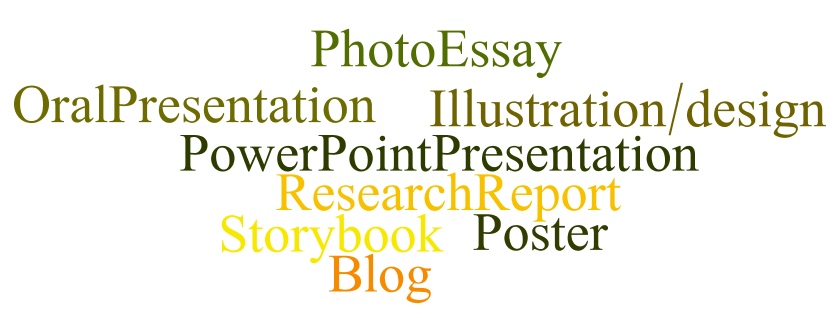
Once you have completed your research, you may choose to compile and share your research with your group in one of the following ways:
-> JUSTIFY:
You will need to present ideas and justifications to your group for at least 3 key areas for the garden from within your area of expertise. You will be presenting your research to your group in Week 5.
Your group won’t actually be reading your research, just listening and seeing you share it. You will each receive 5 minutes to share your findings with your own group.
-> YOUR ROLE:
Each member of the group will be taking on one of the following roles, so only read and research information related to your role:
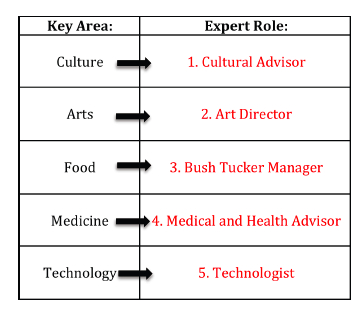
1. Cultural Advisor
Responsibilities: ceremonies, celebration, story telling
Plants mean many things to indigenous people, and not just as food. Plants have symbolism, and were used for ceremonies and celebrations. Today some indigenous groups continue this tradition in ceremonies such as ‘Tanderrum’ (a ceremony opening the bush to a visiting group), ‘Smoking Ceremony’ (smoke is used to cover the participants’ bodies, ridding them of what is not needed) and ‘Welcome to Country’. The 2000 Sydney Olympic Games contained an Aboriginal ceremony.
The "Dreamtime", the mythological past, was the time when spirit ancestors had travelled throughout the land, giving it its physical form, and setting down the rules to be followed by the Aboriginals. Dreamtime or Dreaming stories have been passed down from generation to generation. | 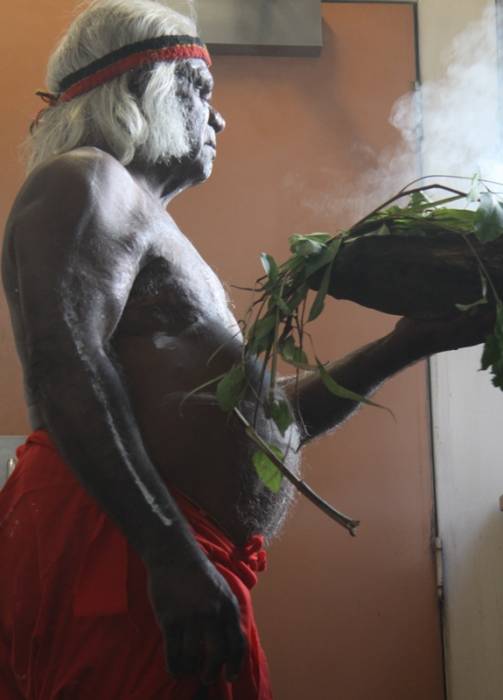 |
-> Click here to start researching using resources related to your Cultural Advisor role.
2. Art Director
Responsibilities: art, music
Art was regarded as an integral part of life, not simply something that was decorative. Bodies were painted for ceremonies; the markings and designs have significance and were taught to the young. Rocks were engraved and became one of the few art forms to survive. Designs were painted on the walls of rock shelters; these were perishable (i.e. didn't last), and relied upon regular re-touching for preservation.
Bark painting is probably the most well known Aboriginal art form but this could be done only in areas where trees with suitable bark were available, such as Arnhem Land. Pigments were made from rocks, clay and charcoal, a narrow range of colours that produced characteristic red, brown, black and white of Aboriginal art. | 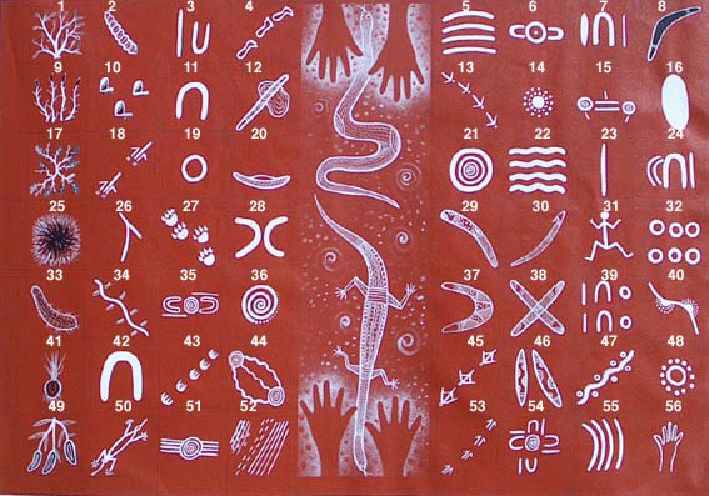 |
3. Bush Tucker Manager
Responsibilities: food, nutrition, cooking
At least half of the food eaten by indigenous Australians came from plants, and it was the task of the women to collect them. Just as we eat root vegetables, greens, fruits and seeds, so did the first Australians.
Fruits, seeds and greens were only available during their appropriate seasons, but roots could usually be dug up all the year round, because the earth acted as a natural storage cupboard. Important foods were replanted. The regular digging-over of the soil, and the thinning out of clumps by collection of plants, together with burning to provide fertiliser, is not very different from what we do in our own gardens, and the whole country was in a way an Aboriginal garden. | 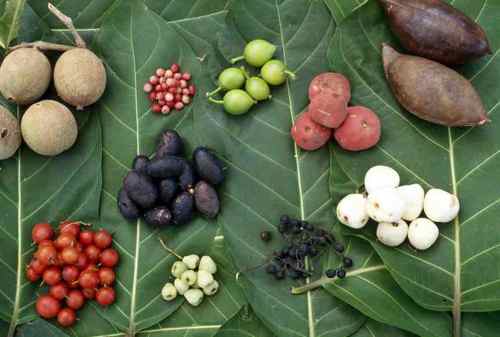 |
Important to note: many native plants used by Aboriginal peoples contain toxins for which they had developed preparation techniques to neutralise their effects.
-> Click here to start researching using resources related to your Bush Tucker Manager role.
4. Medical and Health Advisor
Responsibilities: medicine, curing illnesses or injuries
Australian Aboriginals have always drawn on the resources of the environment for medicines. Many plants have been used, generally without elaborate preparation. Plant material is very often bruised or pounded, or extracted with water to be taken internally. The Australian flora is particularly rich in aromatic plants such as eucalyptus, tea-trees, boronias and mints and these have always been considered especially suitable for treating respiratory diseases. Aboriginal peoples have used a large number of them for treating illnesses and wounds.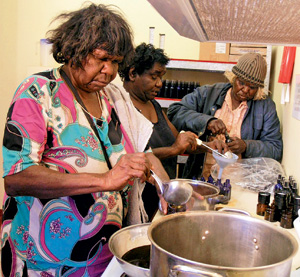
Important to note: many native plants used by Aboriginal peoples contain toxins for which they had developed preparation techniques to neutralise their effects.
-> Click here to start researching using resources related to your Medical and Health Advisor role.
5. Technologist
Responsibilities: Clothing, technology, tools, building materials, weapons, utensils
Clubs, nets, snare and spears were used to catch different types of animals and birds. Large animals were speared or clubbed, smaller ones caught in pits and nets. Fish were speared, or caught with traps, and sometimes water was poisoned with plant juices. The foot tracks of animals - and of every member of the group - were recognised.
After years of training, Aboriginals developed extraordinary skills in tracking their prey, by following broken twigs, or by very faint markings, even on hard ground. | 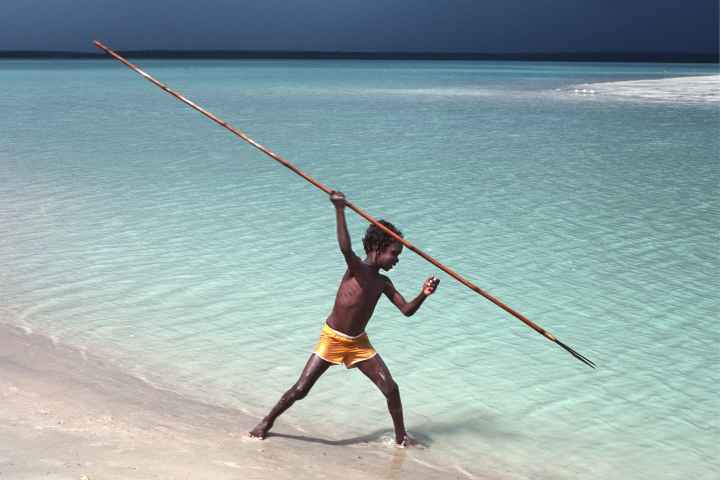 |
-> Click here to start researching using resources related to your Technologist role.
