• Home
  • Introduction
  • How to use this i-Quest
  • Task
  • Process
  • Step 1 - Plant the seed
  • Step 2 - Germination
  • Step 3 - See it sprout
  • Step 4 - The leaves start to grow
  • Step 5 - A flower blooms
  • Step 6 - Harvesting time
  • Step 7 - Pollination
  • Evaluating your growth
  • Conclusion
  • Cultural Advisor - Resources
  • Art Director - Resources
  • Bush Tucker Manager - Resources
  • Medical and Health Advisor - Resources
  • Technologist - Resources
  • For Teachers
  • Teacher Resources


TASK

O  

Why are you doing this i-Quest?

The aim of this i-Quest is to help you develop a respect and understanding of Aboriginal and Torres Strait Island peoples, and in particular, of the significance of the natural environment for these groups. You will also explore the notions of traditions and knowledge being passed on to others, and the impact of this on our lives.

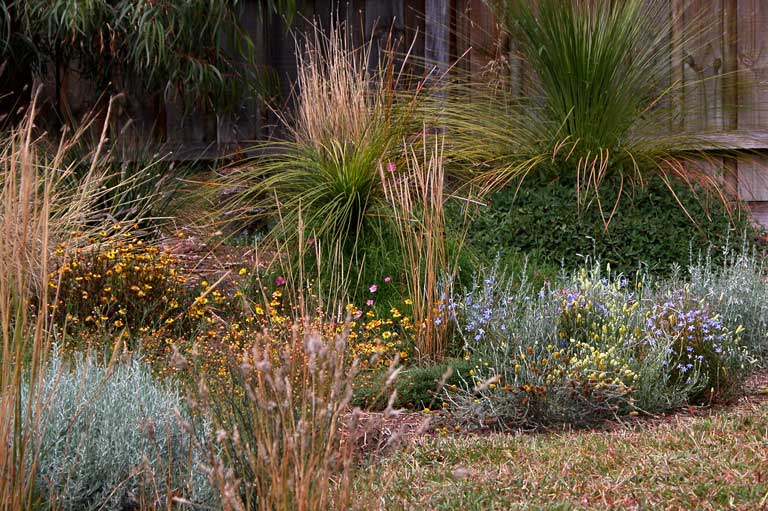
In design teams, you will work both together and individually to build your knowledge and understandings of Aboriginal culture and traditions by planning and designing an indigenous garden for the school. You will demonstrate your expertise by your selection of plants, and non-plant features of this garden.

This unit of work will last for 10 weeks.   

Task Description:

Your task, in your allocated groups (design teams), 

is to design a sustainable indigenous garden, 

incorporating the five following key elements:

To grow a plant, there are a number of steps involved – same goes for this 

i-Quest. Here’s the process: 

Step 1 – Plant the seed:

First up, you will be asking yourselves some key questions to find out what you already know.

Next, you will be comparing and contrasting the similarities/differences of how you/our society is connected to the natural environment.

Then, you will list all the things you want to learn, don’t understand or questions you have.

Step 2 – Germination

(Germination = when a plant emerges from a seed)

Let’s find out more about the special cultures and traditions of Indigenous peoples, and the importance of continuing these.

Step 3 – See it sprout

(Sprout = the early growth of the plant)

Let’s become experts.

Within each group, each person will become an expert on one of the five key elements of indigenous culture and traditions: Ceremonies, Arts, Medical, Food and Technology.

The idea is that each student will become an expert and then use the information gathered to contribute to your group’s garden design.

Step 4 – The leaves start to grow

Your group’s responsibility is to collaborate on the individual research gathered to produce one final garden design to present to the whole class.

Step 5 – A flower blooms

The design will be shared with the class at the end of the integrated unit of work in the following three ways: in writing, visually and orally.

Step 6 – Harvesting time

(Harvesting = gathering, reaping)

And finally … each individual will have the opportunity to vote on his or her favourite garden design element.

Step 7 - Pollination

(Pollination = when pollen is transferred from flowers to reproduce the plant)

Let’s ask ourselves what we now know by reflecting and evaluating ourselves, our classmates and the unit of work. 

Let’s get GROWING ...

< Back | Next > 


This free website was made using Yola.

No HTML skills required. Build your website in minutes.

Go to www.yola.com and sign up today!

Make a free website with Yola