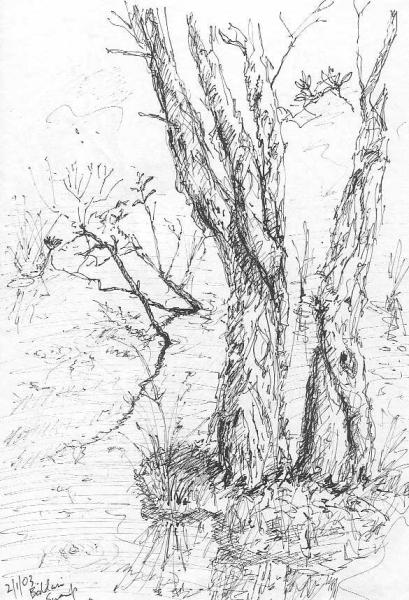
INTRODUCTION So, let’s look at what a Prickly Paperbark tree could be used for … Well, if you were sick or hurt, and couldn't get to your local doctors’ clinic, hospital or chemist, the Prickly Paperbark tree could be very handy. You could use the thick, soft bark for bandages, crush and sniff the leaves for colds and headaches and infuse the leaves in water to relieve skin irritations. Amazing! |
 |
|||
How
resourceful and clever people would think you are! And you could look after the
other Prickly Paperbark trees and plant new ones to ensure you had a constant
supply whenever you needed.
These are just two examples of hundreds of how Aboriginal and Torres Strait Islander peoples used nature in their daily lives. Their relationship and connection with nature was, and still is, strong and thoughtful. Knowing how the seasons work, how plants grow and how animals behave has meant that the world’s oldest living culture has survived for at least 40,000 years. That's a long time. And in all that time, the land provided them with everything they needed for a healthy life. They learned to manage their country so that its resources renewed themselves and were not used up. This was sustainability and biodiversity both working at their best. The first Australians didn’t survive on food bought from a supermarket, tools bought from a hardware shop and clothes bought from a department store. They learned that in order to keep on surviving, they had to respect nature, only use what was needed and ensure that sustainability occurred. -> LISTEN: Put on your headphones to listen to a snippet of Captain Cook’s observations of Aboriginal people in 1768: click here to listen. Aboriginal and Torres Strait Islander peoples have passed their history, culture and traditions down through the generations. These first Australians are an important part of Australian society today. You are about to grow. Your knowledge, appreciation and respect for the indigenous cultures and the natural environment are about to grow. This i-Quest will take you on a journey to understand how important our country, land and people are. Especially the first Australians. From little things big things grow. But first things first – for anything to grow, a seed needs to be planted … click here to find out what's next. 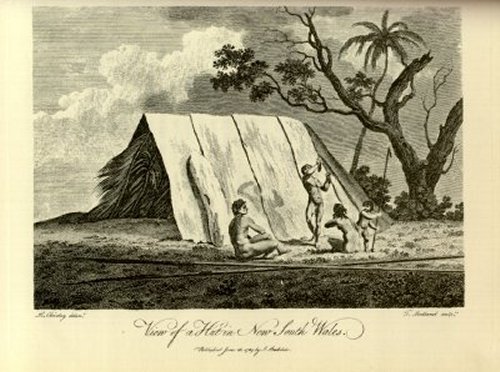 |
||||
|
|
This free website was made using Yola.
No HTML skills required. Build your website in minutes.
Go to www.yola.com and sign up today!
Make a free website with Yola
